
Hardware
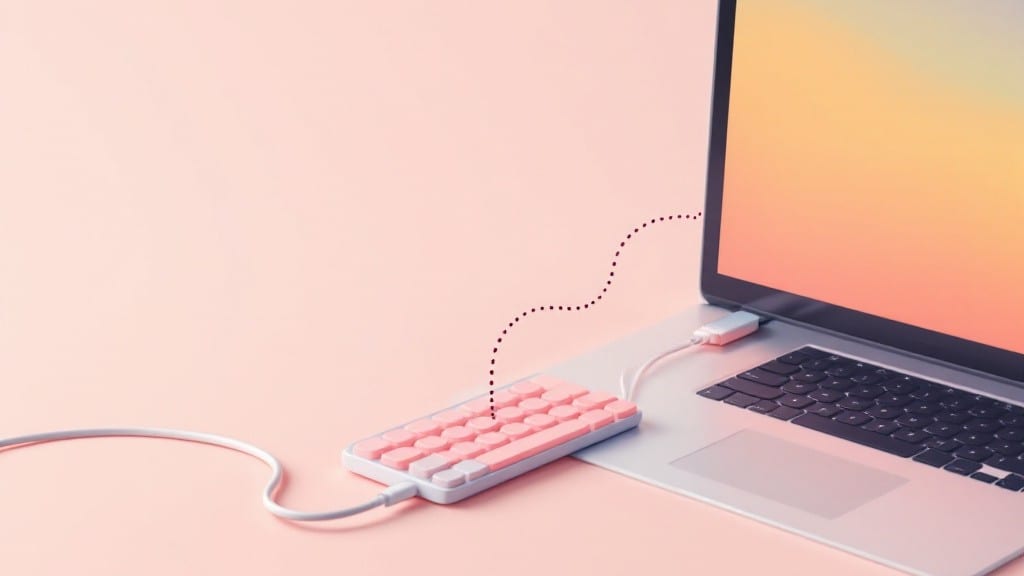
Connecting a keyboard to your computer is the first step to unlocking productivity—whether it's a wired USB plug-in or a wireless Bluetooth setup. ✨ I’ve helped hundreds of people get past the confusion of ports and pairing, and the process is simpler than most think.
The key is knowing which method your keyboard uses and where to plug it in (or pair it to) on your computer.
For wired keyboards, you’ll need a USB port (or PS2 on older machines) and a straight plug-and-play connection. Wireless keyboards require Bluetooth on modern devices or a USB dongle for older systems.
I’ve seen people struggle with pairing issues, but once you know the right steps—like turning on Bluetooth before starting the search—it’s shockingly straightforward. Even my grandma figured it out after I walked her through it.
You’ll end up with a keyboard that works instantly, whether it’s a gaming mechanical beast or a basic USB model. The setup takes under two minutes for wired and three minutes for wireless once you know the tricks.
No more guessing which port to use or why your keyboard isn’t detected—just a working setup ready for typing, gaming, or coding.
Works across Windows, macOS, and Linux, and adapts to any keyboard type. Let’s get you connected the right way—no tech headaches included.
📚 In This Guide
- What you need
- Instructions
- Tips and common mistakes
- Wrapping up and next steps
What you need
- ● Keyboard: Wired (USB, PS/2) or wireless (Bluetooth, RF dongle).
- ● Computer: Desktop, laptop, or all-in-one with available ports (USB-A, USB-C, or PS/2).
- ● Power source: For wireless keyboards, ensure batteries (AA/AAA) or a charger are included.
- ● Cables: USB-A to USB-A (for wired) or USB-C adapter (if needed).
- ● Dongle: Only for wireless keyboards using a 2.4GHz RF receiver (check compatibility).
- ● USB extension cable (if ports are hard to reach).
- ● PS/2 adapter (if your keyboard is old-school and your PC lacks PS/2 ports).
- ● Bluetooth adapter (for older PCs without built-in Bluetooth).
- ● Anti-static wrist strap (for sensitive electronics, like gaming keyboards).
Step-by-step instructions for connecting a keyboard to your computer
Here's the quickest way to get your keyboard working—whether it's wired or wireless.
🔧 Step 1: Identify Your Keyboard Type and Ports
First, check if your keyboard is wired or wireless. Wired keyboards connect directly to your computer via USB-A or USB-C ports. Wireless keyboards use a USB receiver (for Bluetooth) or a dedicated dongle (for 2.4GHz RF). Most modern keyboards use USB-C or USB-A connections, but some older models still use PS/2 (rare today).
Look at the back of your computer or laptop for available ports. If you're using a USB-C keyboard, you may need a USB-C to USB-A adapter if your port doesn't support direct connection. Laptops often have a dedicated USB-C/USB-A port or a Thunderbolt port that works for keyboards. Verify the connection type before proceeding.
🖱️ Step 2: Connect the Keyboard Physically
For wired keyboards, plug the USB cable into an available port on your computer. You'll hear a soft click when it's securely connected, and the keyboard's LED indicators (like Caps Lock or Num Lock) should light up. If nothing happens, try a different port—some laptops have USB 2.0 and USB 3.0 ports, and a USB 3.0 keyboard might not work in a USB 2.0 slot.
For wireless keyboards, insert the USB receiver or Bluetooth dongle into an available port. If your keyboard uses Bluetooth, pair it by pressing the connect button on the keyboard and selecting it in your computer's Bluetooth settings. For 2.4GHz RF keyboards, simply press the sync button on the keyboard and the receiver until the LED stops flashing—usually within 5-10 seconds.
💻 Step 3: Install Drivers (If Required)
Most modern keyboards work plug-and-play, meaning no drivers are needed. However, some gaming or specialty keyboards (like those with macro keys or RGB lighting) may require software installation. Check the keyboard's packaging or manufacturer's website for driver downloads if the keys don't respond or the lights don't turn on.
If you're using a Bluetooth keyboard, your computer should automatically recognize it after pairing. Open Settings > Devices > Bluetooth & other devices in Windows or System Preferences > Bluetooth on macOS to confirm the connection. If the keyboard isn't listed, restart your computer and try pairing again.
💡 Step 4: Test and Troubleshoot
Press a few keys to confirm everything works. Test function keys (F1-F12), arrow keys, spacebar, and Enter to ensure responsiveness. If some keys aren't working, try reseating the connection—unplug and replug the keyboard or restart the computer. For wireless keyboards, ensure the batteries are charged (replace if needed) and that the receiver is fully inserted into the port.
If the keyboard still doesn't work, check for driver conflicts by updating your computer's drivers via Device Manager (Windows) or System Information (macOS). For USB-C keyboards, try a different cable or port. If the issue persists, consult the keyboard's user manual or contact the manufacturer's support.
Tips & tricks for connecting your keyboard without the hassle
Connecting a keyboard should be straightforward, but a few little tricks can save you from frustration—especially when dealing with different types of connections. Here's what I've learned from helping countless people get their keyboards up and running.
Port Priority: If you're using a wired keyboard, always try the USB-C port first—it's faster and more reliable than USB-A for most modern keyboards. For laptops, check the manual for the best port: some have dedicated USB ports that work better than Thunderbolt for peripherals. And if you're unsure which port is which, look for the USB logo or check your laptop's manual—it's worth the 30-second search to avoid wasted time.
Sync Button Strategy: For 2.4GHz RF keyboards, the sync process can be finicky. Hold both the sync button on the keyboard and the receiver for 5-10 seconds—don't let go too soon! I've seen people give up after 2 seconds only to realize they needed to hold it twice as long. Pro tip: If the LED flashes rapidly, you're on the right track. If it stays solid, you've timed it perfectly.
Bluetooth Troubleshooting: If your Bluetooth keyboard isn't showing up in settings, try this: turn off Bluetooth on your computer, then turn it back on while holding the connect button on the keyboard. Sometimes the devices need a fresh start. Also, make sure your keyboard's batteries are fresh—weak batteries can cause pairing issues even if the connection seems strong at first.
Driver Detective Work: When drivers are the issue, don't just download random software from the internet. Check the manufacturer's website for the exact model of your keyboard—some brands have multiple versions with slightly different drivers. I've wasted hours installing the wrong driver only to realize I needed the version for my specific model. Always double-check before downloading anything!
Pro Tips for Connect Keyboard To Computer
- Connecting a keyboard should be straightforward, but a few little tricks can save you from frustration—especially when dealing with different types of connections.
- Port Priority: If you're using a wired keyboard, always try the USB-C port first—it's faster and more reliable than USB-A for most modern keyboards.
- Sync Button Strategy: For 2.4GHz RF keyboards, the sync process can be finicky.
Frequently asked questions
Got questions about connecting your keyboard? You’re not alone! Here are answers to the most common concerns—whether you're troubleshooting, switching between devices, or just curious about the process.
Why isn’t my keyboard working after plugging it in?
First, check if the connection is secure—try reseating the cable or rebooting your computer. For wireless keyboards, ensure the batteries are charged and the USB receiver is properly inserted. If it still doesn’t work, test the keyboard on another device to rule out hardware issues. Pro tip: Some keyboards require drivers—visit the manufacturer’s website if you suspect a software glitch.
Can I use a keyboard from one brand on another computer?
Most wired keyboards are plug-and-play, so they’ll work across brands (Windows/macOS/Linux). Wireless keyboards may need a compatible receiver or Bluetooth pairing. Always check the manufacturer’s specs for cross-platform support. For example, a Logitech wireless keyboard paired via Bluetooth will work on both Mac and Windows—but wired models are universally compatible.
How long does it take to set up a wireless keyboard?
Pairing a wireless keyboard usually takes under 2 minutes if you’re using Bluetooth. For USB receivers, it’s even faster—just plug in the dongle and press the sync button on the keyboard. If pairing fails, reset the keyboard (check the manual) or restart your computer. Speed hack: Keep the receiver and keyboard close during setup to avoid interference.
What’s the difference between USB-C and USB-A for keyboards?
USB-C keyboards are reversible and often support faster data transfer, but they require a compatible port on your computer. USB-A is more common and universally compatible. If your keyboard has USB-C, use an adapter if your PC only has USB-A ports. Always check your device’s ports before buying—some ultrabooks (like MacBooks) rely on USB-C exclusively.
Can I switch between two computers with one wireless keyboard?
Yes! For Bluetooth keyboards, toggle between devices via your OS’s Bluetooth settings. For USB receiver keyboards, unplug the receiver from one PC and plug it into the other. Some keyboards (like Microsoft’s) support multi-device pairing—check the manual for specifics. Just remember: Only one device can use the keyboard at a time unless it’s Bluetooth-enabled.
Wrapping up and next steps
Connecting a keyboard to your computer—whether wired or wireless—is simpler than you think! 🎉 With just a few steps, you’ll have a smooth typing experience in no time. Whether you’re setting up a new device or troubleshooting an old one, this guide ensures you’re ready to go.
Now that you’re all set, why not explore customizing your keyboard settings for even better performance? Adjust key sensitivity, enable backlighting, or try out shortcuts to boost productivity. Happy typing! ✨